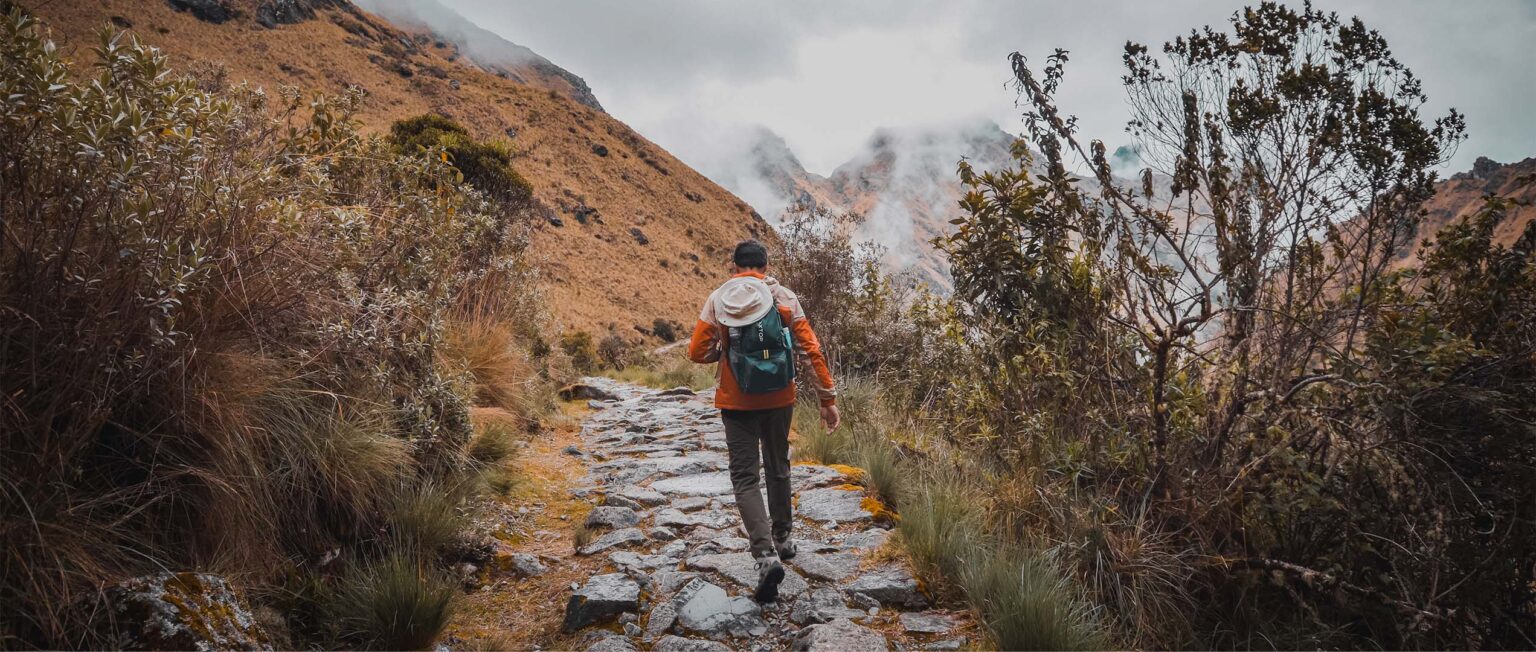
What is the Inca Trail?
The Inca Trail is a hiking route that follows part of the ancient Inca road system. It stretches for 42 km (26 miles) and combines spectacular Andean scenery, cloud forest and fascinating Inca ruins before reaching the Sun Gate (Inti Punku), the main entrance to Machu Picchu.
Inca Trail Routes
There are several trekking options available:
a) Classic Inca Trail (4 days / 3 nights)
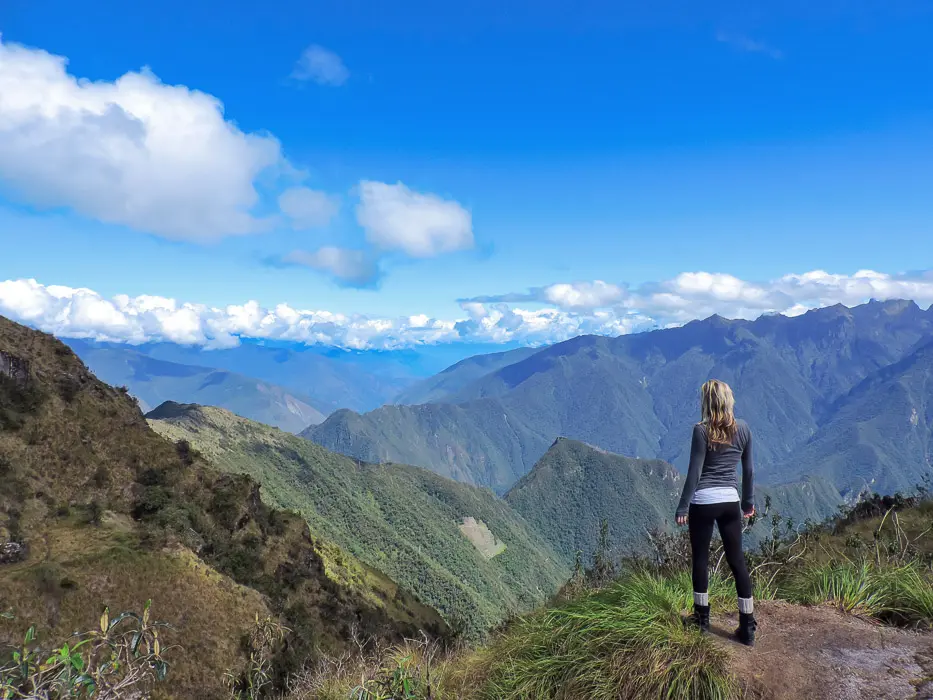
- Distance: 43 km
- Difficulty: Moderate to high
- Maximum Altitude: 4,215 m (Dead Woman’s Pass)
- Highlights: Wiñay Wayna, Inti Punku, Machu Picchu
- Description: This popular route requires booking months in advance. Trekkers camp at designated sites before reaching Machu Picchu at sunrise on the fourth day.
b) Short Inca Trail (2 days / 1 night)
- Distance: 10 km
- Difficulty: Moderate
- Maximum Altitude: 2,720 m
- Highlights: Wiñay Wayna, Inti Punku, Machu Picchu
- Description: Ideal for those with limited time or seeking a less strenuous hike. It starts at km 104 and reaches Machu Picchu the same day.
c) Mollepata Route (7 days / 6 nights)
- Distance: Approximately 60 km
- Difficulty: High
- Maximum Altitude: 4,650 m (Salkantay Pass)
- Highlights: Salkantay, Llactapata, Machu Picchu
- Description: A challenging alternative that combines sections of the Inca Trail with the Salkantay trek.
Best Time to Trek the Inca Trail
The climate varies throughout the year:
Dry Season (May – October)
- Pros: Clear skies, pleasant temperatures
- Cons: Higher number of trekkers, especially from June to August
Rainy Season (November – April)
- Pros: Lush landscapes, fewer tourists
- Cons: Frequent rain, slippery trails
Note: The Inca Trail is closed every February for maintenance.
Permits and Regulations
To preserve the trail:
- Permits: Limited to 500 people per day (including guides and porters).
- Booking: Must be done through authorized tour operators months in advance.
- Guides: Independent trekking is prohibited; a licensed guide is mandatory.
Physical Preparation
The trail’s difficulty requires:
- Training: Engage in long hikes and cardiovascular exercises prior to the trek.
- Acclimatization: Arrive in Cusco at least 2 days before the trek to adjust to the altitude.
- Essential Gear: Trekking boots, weather-appropriate clothing, rain gear, sunscreen, insect repellent, and a lightweight backpack.
Archaeological sites
Trekkers encounter several significant Inca sites:
- Llactapata: An ancient city with extensive agricultural terraces.
- Runkurakay: A unique semicircular archaeological site.
- Sayacmarca: A fortress offering panoramic views of the cloud forest.
- Wiñay Wayna: A stunning site with terraces clinging to the mountainside.
- Inti Punku (Sun Gate): The entrance to Machu Picchu, providing a breathtaking sunrise view.
Alternative Treks to Machu Picchu
If permits are unavailable or you’re seeking different experiences:
- Salkantay Trek (5 days / 4 nights): A challenging route with diverse landscapes.
- Lares Trek (4 days / 3 nights): A cultural journey through Andean villages.
- Choquequirao Trek (8 days / 7 nights): A trek to the “sister city” of Machu Picchu.
- Inca Jungle Trek (4 days / 3 nights): Combines hiking, biking, and rafting.
Is the Inca Trail Worth It?
Absolutely. The Inca Trail offers a unique blend of natural beauty, historical significance, and cultural immersion. Being the only trail that leads directly to Machu Picchu’s Sun Gate, it provides a profound sense of accomplishment and connection to the ancient Inca civilization.